1. What your patterns say about energy
If you have ever felt wired after lunch or ready for a nap at 3 p.m., you already know food and energy are linked. Regular eating patterns, with balanced meals and snacks, are tied to steadier energy and fewer extreme hunger swings.
When you log in Kaifit, you start to see things like:
- Long gaps with no food that lead to “I could eat anything” hunger later.
- Very light breakfasts followed by heavy late-night eating.
- Meals that consistently leave you feeling energized versus sluggish.
Over a week or two, this becomes a map of how your food choices affect how you feel, not just your calorie total.
2. What your patterns say about cravings
Cravings are not random; they are often triggered by blood sugar swings, under-eating, stress, or super-restrictive diets. Studies link stronger food cravings to more frequent eating, longer daily eating windows, and poorer diet quality.
Looking back at your Kaifit logs can help you notice:
- Do intense cravings show up on days when you skip meals or barely eat protein?
- Are evenings the time you always end up snacking, especially after a stressful day?
- Do all-day “munchy” days follow nights of poor sleep or very low-calorie days?
Once you see the pattern, you can experiment with simple fixes—like adding more protein and fiber to earlier meals, keeping some planned treats in your week, or tightening up very long grazing windows.
3. What your patterns say about progress
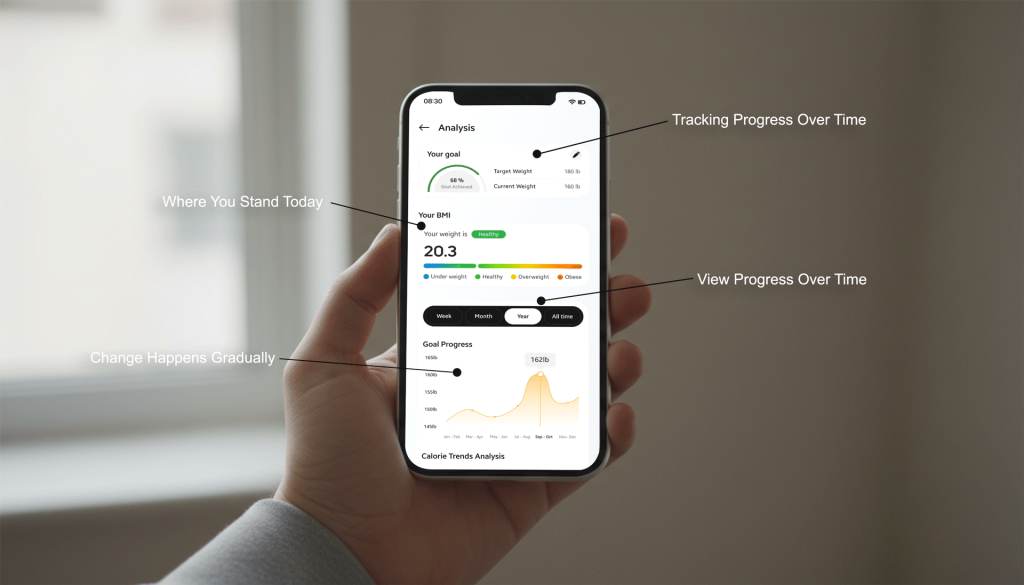
Progress is rarely about one “perfect” day; it is about the average of many normal ones. Food journaling and logging help you step back and see the big picture instead of judging yourself by one meal.
In Kaifit, this might look like:
- Realizing your weekday eating is solid, but weekends routinely double your usual intake.
- Seeing that you are consistently under-fueling on training days and then overeating later.
- Noticing that small, repeated tweaks (more veggies here, a bit less soda there) are adding up over a few weeks.
Research supports this “small change” approach—modest, consistent adjustments to diet and activity can lead to meaningful, sustainable improvements over time.
4. How Kaifit fits into this
Kaifit’s logging is there to help you spot patterns, not to score you. When you record your meals, even roughly, you give yourself data you can actually learn from. Over time, you start asking better questions:
- “What kind of breakfast keeps me full until lunch?”
- “What type of dinner leaves me sleeping well instead of feeling stuffed?”
- “Which days feel best, and what do they have in common?”
Beyond calories, your eating patterns tell the real story of your energy, cravings, and progress. Kaifit simply helps you see that story more clearly—so you can make small, confident changes that fit your life instead of chasing another extreme reset.
Frequently Asked Questions
Why do two people eating the same calories feel so different?
Calories provide energy, but how you feel depends on meal timing, food composition (protein, carbs, fats, fiber), hydration, sleep, and stress. A 500-calorie meal of protein and veggies will affect your energy and hunger very differently than 500 calories of sugary snacks, even though the calorie count is identical.
How does Kaifit help me spot eating patterns?
When you log meals regularly in Kaifit, you build a history that reveals trends over days and weeks. You can see things like long gaps between meals, low protein days, heavy late-night eating, or weekend versus weekday differences. These patterns help you understand why certain days feel better or worse.
Can tracking patterns really help with cravings?
Yes. Cravings are often linked to under-eating earlier in the day, skipping protein, blood sugar swings, poor sleep, or stress. When you review your logs, you may notice that intense cravings consistently follow certain behaviors, like skipping breakfast or eating very low calories. That awareness lets you test simple fixes, like adding more protein to lunch or keeping planned snacks handy.
What if I have one "bad" day? Does that ruin my progress?
Not at all. Progress is built on patterns, not single meals or days. One higher-calorie day, indulgent dinner, or unplanned treat does not undo consistent healthy habits. Kaifit helps you zoom out and see the bigger picture across weeks, which is what actually matters for long-term results.
Do I need to track perfectly for patterns to be useful?
No. Even rough, consistent logging is enough to reveal useful patterns. You do not need to weigh every ingredient or track every bite. The goal is to gather enough data over time to notice trends, ask better questions, and make small adjustments that fit your real life.