Starting food tracking can feel exciting and overwhelming at the same time. You download Kaifit, snap your first meal photo, see the calorie breakdown, and think, “Okay, this is doable.” Then a few days in, reality sets in. You realize your “healthy” smoothie has more calories than you thought, your dinners are bigger than you estimated, and tracking consistently takes more attention than you expected.
This is completely normal. It is called the First Week Effect, and almost everyone experiences it. The good news? Once you understand what to expect, that first week becomes less stressful and more empowering.
What the first week really looks like
The first few days of tracking are rarely smooth. You are learning a new habit, adjusting to seeing real data about your meals, and discovering things about your eating patterns that might surprise you. Here is what most people notice.
1. Portion sizes are bigger than you thought
One of the most common surprises in week one is realizing how much you have actually been eating. That “moderate” bowl of pasta? Probably closer to two or three servings. Your morning coffee with flavored syrup and cream? Easily 200 to 300 calories before you have even eaten solid food.
This is not about shame; it is about awareness. Most people genuinely underestimate portion sizes, especially for calorie-dense foods like oils, sauces, nuts, cheese, and grains. Studies show that people commonly underreport their calorie intake by 20% to 50% when estimating without tracking.
When you start using Kaifit’s photo logging or barcode scanner, portions become visible. You see what a real serving looks like versus what you have been eating, and that awareness is the first step toward making informed adjustments.
2. Hidden calories start appearing everywhere
Week one often reveals the “hidden” contributors to your daily intake: the handful of chips while cooking, the second glass of juice, the extra tablespoon of dressing, the latte upgrade, the bite of your kid’s mac and cheese.
None of these feel significant in the moment, but they add up fast. By the end of the week, you might realize an extra 300 to 500 calories a day were sneaking in through snacks, drinks, condiments, and “extras” you were not mentally counting.
Kaifit helps you see these patterns clearly. Once you know where the extra calories are coming from, you can decide which ones are worth keeping and which ones you can easily swap or skip.
3. Logging takes focus at first
In the beginning, remembering to log every meal feels like work. You might forget to snap a photo before you start eating, or you finish lunch and realize an hour later you never logged it. This is normal when building any new habit.
The key is to set reminders, keep Kaifit easily accessible on your home screen, and give yourself permission to log imperfectly. Even if you miss a meal or estimate roughly, you are still building the habit and gathering useful data.
Most users find that by the end of week one or early in week two, logging starts to feel automatic instead of forced.
Early wins you can expect
Despite the learning curve, week one also brings real wins that make the effort worth it.
You start making smarter swaps
Once you see the calorie and macro breakdown of your usual meals, small swaps become obvious. Maybe you realize:
Swapping regular soda for sparkling water saves 150 calories without much effort.
Adding an extra serving of veggies to dinner keeps you fuller without adding many calories.
Choosing grilled chicken over fried saves calories and leaves room for a side you actually enjoy.
These are not extreme changes; they are small, sustainable tweaks that add up over time.

You feel more in control
Before tracking, eating can feel like guesswork. “Am I eating too much? Too little? Is this balanced?” Kaifit removes that uncertainty. You see exactly what you are eating, and that clarity brings confidence.
You stop second-guessing every meal and start making decisions based on real data instead of vague feelings or food guilt.
You notice patterns emerging
Even in just a few days, patterns start to show up. You might notice:
You eat lighter during the week but double your intake on weekends.
Skipping breakfast leads to overeating at dinner.
Days with more protein leave you feeling fuller and more energized.
These patterns are gold. They tell you what is working, what is not, and where small changes can have the biggest impact.
How to push through the learning curve
Week one is about building momentum, not perfection. Here is how to make it easier.
1. Set realistic expectations
You are not going to log perfectly every day, and that is okay. The goal is consistency over time, not flawless execution from day one. Give yourself permission to learn as you go.
2. Use Kaifit's tools to reduce friction
Take advantage of photo logging, barcode scanning, and meal history. These features cut logging time dramatically and make it easier to stay consistent even on busy days.
3. Focus on awareness, not judgment
If you discover you have been eating more than you thought, that is valuable information, not a failure. Use it to adjust moving forward instead of beating yourself up over the past.
4. Celebrate small wins
Did you log three days in a row? Notice a pattern? Make one smart swap? Those are real wins. Acknowledge them. Progress is built on small, repeated actions, not dramatic overhauls.
5. Stick with it through day seven
Habits take time to form. Research suggests it takes anywhere from 18 to 254 days to build a new habit, with an average around 66 days. The first week is just the beginning. Push through the awkwardness, and by week two or three, tracking will feel much more natural.
What happens after week one
Once you get past the initial learning curve, tracking becomes easier, faster, and more useful. You stop obsessing over every calorie and start using the data to guide smarter decisions. You build a mental library of what portions look like, which meals work best for you, and how to balance indulgence with structure.
Week one is about awareness. Week two is about adjustment. And by week three or four, you are using Kaifit as a tool that supports your goals without taking over your life.
The Bottom Line
The first week of food tracking is not always easy, but it is worth it. You will be surprised by portions, discover hidden calories, and need a few days to get into the rhythm of logging. But you will also gain clarity, make smarter swaps, and start noticing patterns that help you eat in a way that actually supports how you want to feel.
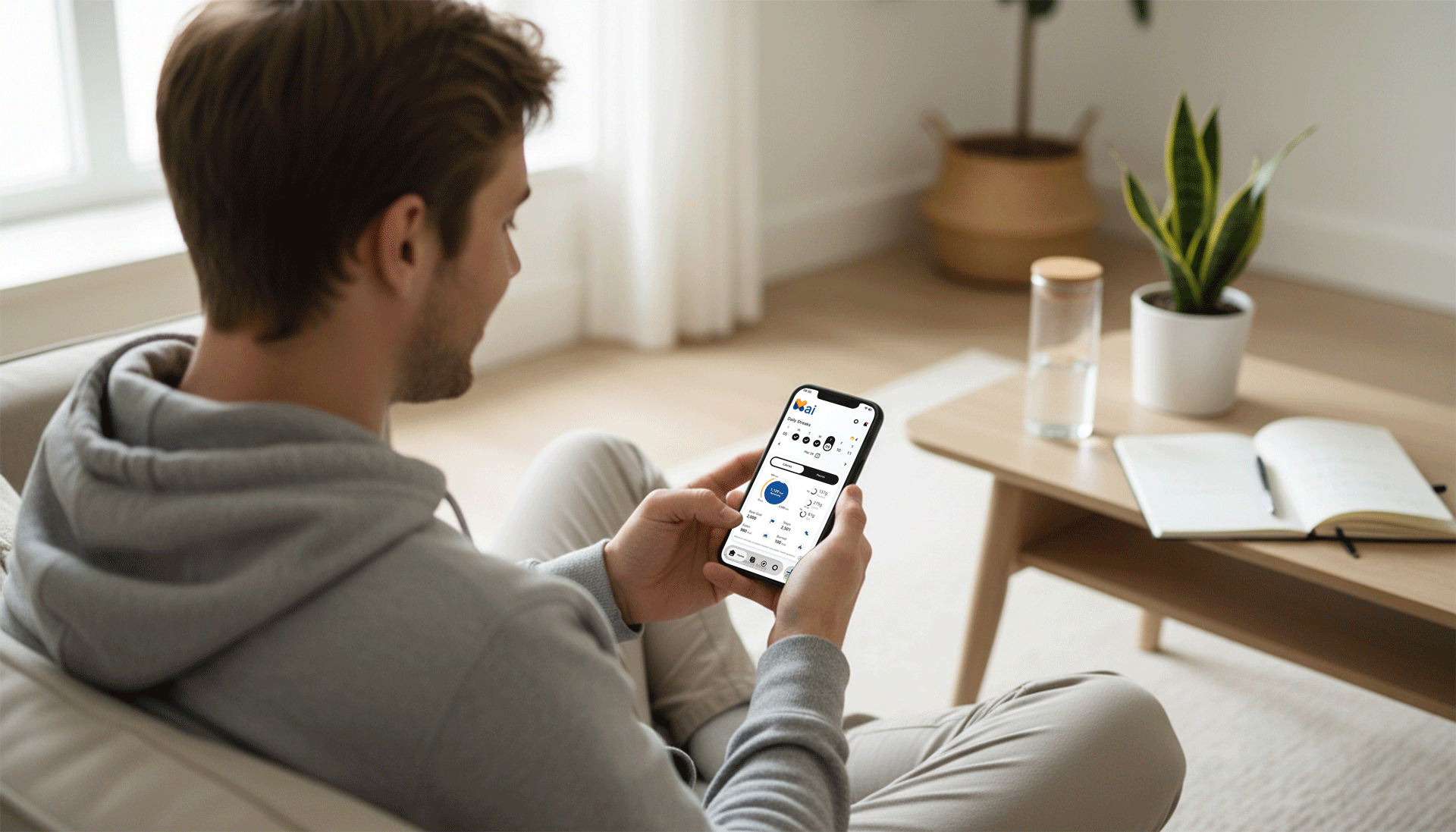
Kaifit is designed to make that first week as smooth as possible. With photo logging, smart reminders, and a clean dashboard, you spend less time wrestling with the app and more time learning about yourself.
Stick with it. The insights you gain in week one set the foundation for real, lasting progress.
Frequently Asked Questions
Do I need to track every single bite in the first week?
Not necessarily. The goal is to build the habit and gather useful data. Even if you log most meals and miss a snack here or there, you are still getting valuable insight. Aim for consistency, not perfection.
What if I realize I have been eating way more than I thought?
That is one of the most common (and useful) discoveries in week one. It is not a failure; it is awareness. Now you know where you are starting from, and you can make small, informed adjustments moving forward.
How long does it take to get comfortable with logging?
Most people find that logging feels much more natural by the end of week two or early in week three. The first few days require focus, but once it becomes part of your routine, it gets faster and easier.
What should I focus on in the first week?
Focus on consistency and awareness, not hitting perfect calorie or macro targets. Just log your meals, notice patterns, and get comfortable with the app. Adjustments come later, once you understand your baseline.
Is it normal to feel overwhelmed at first?
Yes. Starting any new habit, especially one that involves looking closely at your eating, can feel uncomfortable. Give yourself grace, take it one day at a time, and remember that tracking gets easier with practice.